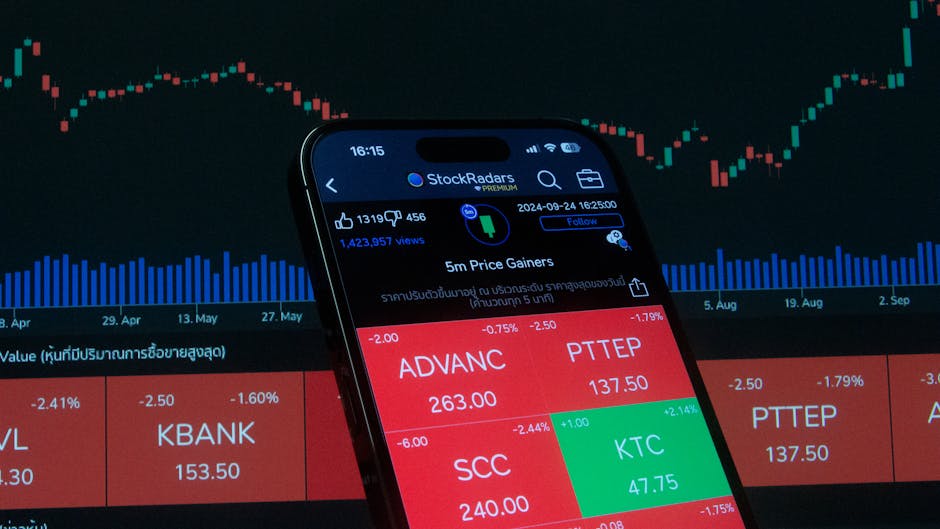
Paper trading signals before live execution is the smartest way to validate your trading strategy without risking actual capital. You get real-time market conditions, genuine order fills, and the psychological edge of practicing under pressure—all without a single dollar on the line.
If you're serious about trading stocks, crypto, futures, or options, you need this stepping stone between learning and going live. Let's walk through how to do it right.
Related: Best Stock Market Futures Signals for Tomorrow's Trading
Related: Stock Market Graph Today Real Time: Live Data Guide
Why Paper Trade Your Signals First?
Real trading is messy. Emotions spike. Your finger hesitates on the execute button. Market fills don't always match what you expected. Paper trading lets you experience all of this in a controlled space.
Related: Automated Trading Signals with Stop Loss: Complete Guide
When you test trading signals in a simulated environment, you're not just checking if a strategy makes money on paper. You're building muscle memory. You're learning how your broker's platform works. You're discovering whether you can actually stick to your entry and exit rules when real volatility hits.
And here's the thing: a signal that looks perfect in backtesting can fall apart the moment live market pressure kicks in. Paper trading bridges that gap. You see real bid-ask spreads, actual slippage, and genuine market fills. It's as close to live trading as you can get without risking your rent money.
Setting Up Your Paper Trading Environment
Most brokers offer a built-in paper trading account, sometimes called a "practice" or "demo" account. Your first move is to open one alongside your live account (or before you open a live account).
Here's what you need:
- A broker with paper trading capability (almost all major brokers have this)
- Real-time market data feeds or delayed data (real-time is better for accuracy)
- Access to the same asset classes you plan to trade live (stocks, crypto, options, futures, whatever your focus is)
- Enough simulated capital to make meaningful trades without running out
- A clear record of your paper trades so you can review them later
Your broker will give you fake cash—usually anywhere from $10,000 to $100,000 in simulated funds. Treat it like real money. Place trades the same way you would on a live account. Follow your signal rules exactly.
The goal isn't to "prove" you can make money on paper. It's to prove you can follow your process consistently and understand how your signals perform in real market conditions.
Testing Trading Signals in Real Market Conditions
This is where it gets practical. You've got your paper account set up. Now you need to run your signals through it.
Take each trade signal you receive (whether it's your own analysis or from a platform like VeriSignal Matrix) and execute it as if it were a live trade. Use the exact entry price, stop-loss, and take-profit levels included in the signal. Don't cheat. Don't make "adjustments" because you think the market will move differently than the signal suggests.
The paper trading phase is your data collection period. You want to see:
- How often signals produce winning trades
- How deep losses go before you hit your stop-loss
- How often you get filled at the exact price the signal specified
- Whether slippage (the difference between expected and actual fill prices) is significant
- How long trades stay open before hitting their take-profit or stop-loss
Track everything in a spreadsheet or trading journal. Write down the signal date, asset, entry price, stop-loss, take-profit, actual fill price, exit price, profit or loss, and any notes about market conditions. This becomes your audit trail.
Paper trade for at least 20-50 signals before you consider moving to live execution. That gives you enough data to spot patterns and build confidence in the process.
Related: Best Live Market Signals Audit Trail Logging for Traders
Common Mistakes People Make During Paper Trading

The biggest mistake is not taking paper trading seriously. You skip it because you're eager to go live, or you treat it like a game instead of a rehearsal.
Other common traps:
- Changing your rules mid-trade. You see a signal, but then you second-guess it and modify the stop-loss or take-profit. That's not testing the signal—that's testing your emotions. Use the signal exactly as given.
- Trading too small. Scale your paper trades proportionally to what you'll do live.
- Ignoring slippage and commissions. Some simulators give you perfect fills. Real brokers don't. If your paper trading platform has realistic slippage settings, turn them on. Otherwise, manually subtract a small percentage from your entry and add it to your exit to simulate real costs.
- Cherry-picking signals. Take every signal that matches your criteria. Don't skip the ones you "don't feel good about." The whole point is to test the signal system, not your gut.
- Paper trading for three days then going live. You need a real sample size. Weather a market pullback or consolidation. See your signals work (and fail) in multiple market conditions.
Bridging from Paper to Live Trading
Once you've paper traded 20-50 signals and you're confident in your process, it's time to consider moving to live execution.
But don't flip a switch overnight. Go live gradually:
- Start with your smallest position size.
- Run paper trades and live trades in parallel for the first 5-10 live signals. Compare your fills, your timing, your discipline.
- Keep your broker connection in notify-only mode at first (if your broker supports it). This means signals alert you to trade, but they don't execute automatically. You stay in complete control.
- Review every live trade with the same rigor you used for paper trades. Add it to your journal. Look for differences.
This transition phase is crucial. Real money changes your psychology. You might freeze up. You might overtrade. You might miss signals because you're distracted. Better to discover all this with small capital than big positions.
Using Signals From a Trading Platform
If you're using an external signal service (like VeriSignal Matrix, which provides multi-asset signals with entry, take-profit, and stop-loss levels included), your paper trading workflow is even cleaner.
Related: Best Trading Signals with Entry & Take Profit 2026: Top 5 Ranked
Related: Best S&P Futures Trading Signals 2026: Top 5 Platforms Ranked
You get clear, actionable signals with hard stops and profit targets already defined. You don't have to guess. You just execute the signal exactly as provided and record the results.
This removes a layer of interpretation and makes your paper trading data more reliable. You're testing the signal quality, not your ability to set stops and targets.
One thing to confirm: does the signal service provide signals for the asset classes you want to trade (stocks, crypto, options, futures, forex, indices)? And does it let you paper trade before going live? You want full control over execution mode so you can test in simulate-only first.
Key Takeaways for Paper Trading Success

Paper trading isn't boring practice. It's your insurance policy. It's where you discover whether a signal that looks good on a chart actually works when the market is moving fast and you're holding real positions.
Treat every paper trade like it's real. Follow the signal exactly. Track your results. Run at least 20-50 signals through your paper account before going live. Move to live execution gradually and keep detailed records.
The traders who succeed are the ones who respect the process. Paper trading is part of that process.
Ready to Test Your First Signals?
If you want to skip building your own signal system and jump straight to testing pre-built signals, VeriSignal Matrix delivers multi-asset trading signals across stocks, crypto, options, and more. Each signal includes entry, take-profit, and stop-loss levels. Your broker connection is optional, and execution defaults to notify-only mode so you stay in command of every trade.
Set up a paper trading account, load the signals, and run your first 30 days in simulate mode. Build confidence. Then go live when you're ready.
What's the difference between paper trading and backtesting?
Backtesting is testing a strategy on historical data that already happened. Paper trading uses live market data and real-time fills happening right now. Paper trading is much closer to real trading because you experience actual slippage, real bid-ask spreads, and genuine market movement. Backtesting is great for screening ideas quickly, but paper trading is where you prove a signal works in live conditions.
How long should I paper trade before going live?
Aim for at least 20-50 signals or 2-4 weeks of consistent trading, whichever takes longer. This gives you enough data to spot patterns and build confidence. If you only paper trade 3-5 signals, you're not seeing enough market variety. Weather at least one market pullback or spike in volatility during your paper trading phase.
Can I lose money paper trading?
No, paper trading uses simulated money. You can't lose real capital. But you can lose simulated capital and end up with a negative simulated balance. That's actually good—it shows you what a losing streak would feel like. Just reset your account and keep going.
What if my paper trading results look great but live results are worse?
Real money changes your psychology and execution. You might hesitate on entries, lock in profits too early, or overtrade because you're nervous. This is normal. That's why you transition gradually with small position sizes. Keep detailed records of both paper and live trades so you can spot the differences and adjust your discipline.