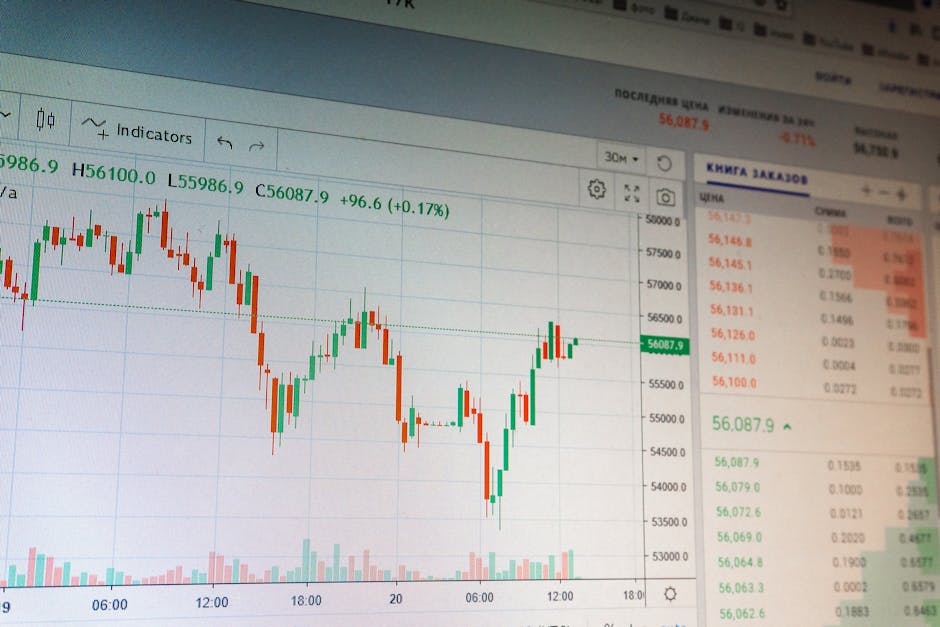
You want to profit when a stock falls, not just when it rises. Short selling lets you do exactly that, but it's a process that requires precision, discipline, and the right tools to execute safely. Here's what you need to know to short a stock effectively.
The Core Mechanics: How Shorting Actually Works
Short selling flips the traditional buy-low-sell-high sequence on its head. Instead of buying first, you borrow shares you believe will decline, sell them at the current market price, then repurchase them later at a lower price. When you buy them back, you return the borrowed shares to the lender and pocket the difference as profit.
The process sounds simple, but each step matters. You cannot sell shares you don't own without borrowing them first. Your broker arranges the borrow (typically from another client's holdings or the broker's inventory), and you pay a borrow fee for the privilege. That fee is a real cost that reduces your profit or increases your loss, so it matters more on positions you hold longer.
Many newer traders skip this mental step and think shorting is just "selling down." It's not. You must explicitly borrow, explicitly sell, then explicitly buy back and return. Missing any step breaks the entire structure.
Step-by-Step: Opening and Closing a Short Position
Opening a short position requires three deliberate actions:
- Arrange the borrow: Contact your broker and confirm shares are available to borrow. Not every stock is borrowable, and availability can change. Highly shorted stocks or thinly traded securities may have no shares available or carry prohibitively high borrow fees.
- Place the short sale: Enter a sell order at your chosen price using standard market or limit order mechanics. Your broker will route this as a short sale (not a regular sell) to comply with regulatory requirements.
- Monitor and manage: Track the position in real time. Unlike a long position where you buy and hold indefinitely, a short position has no natural exit. You must actively decide when to close it.
Closing a short position also requires intentional action:
- Place a buy order: Execute a purchase at your target price to "cover" the short. This is called "covering" because you're buying back what you borrowed.
- Return the shares: Your broker automatically returns the borrowed shares to the lender. The transaction settles in two business days, just like a regular stock trade.
- Calculate your result: Profit is the difference between your short sale price and your cover price, minus borrow fees and commissions. Loss follows the same formula in reverse.
This isn't fire-and-forget. You stay in command the entire way, which is why many traders use VeriSignal Matrix to get clear directional signals and entry/exit levels before pulling the trigger.
Related: Best Real-Time Buy Sell Hold Signals for Active Traders
Related: Best Stock Market Live Chart Tool for Active Traders
Timing: When Short Selling Makes Sense
Short selling is a tactical bet on downward price movement. You use it when you believe a stock will fall from its current level. This might happen during a market downturn, when a company misses earnings, when sector headwinds build, or when technical indicators suggest reversal from a peak.
Timing matters because shorting a stock that rises costs you money immediately. Unlike a long position, where you can hold and wait for recovery, a short position bleeds with every dollar the stock gains. Your loss is theoretically unlimited because a stock can rise to any price. This asymmetry is why risk management isn't optional, it's survival.
Professional traders often short stocks showing clear downtrends or technical breakdown patterns. They enter after confirmation (not before), use hard stops to cap losses, and exit quickly if the thesis breaks. Novices often short on hope or emotion and hold too long. Know which trader you are, and trade accordingly.
Risk Management: The Non-Negotiable Rules

Short selling without risk management is gambling, not trading. You need three protective mechanisms:
Stop-loss orders: Set a buy order above your short sale price that automatically closes the position if the stock moves against you. This is your hard stop. Without it, a surprise earnings beat or acquisition announcement can wipe out your capital before you react.
Position sizing: Limit each short to a small percentage of your total account. Shorting 50% of your capital in a single stock exposes you to catastrophic loss. Shorting 2-5% per position lets you survive bad calls and stay in the game.
Pre-planned exits: Decide your take-profit level and stop-loss level before you enter. Write them down. If the stock hits take-profit, close half the position and let the rest run with a trailing stop. If it hits stop-loss, accept the loss and move on. Emotion clouds this decision in the moment.
Market volatility is normal and often short-lived, even when it feels unsettling. A stock can gap up on news and trigger your stop loss in seconds. This is the cost of shorting. If you can't stomach 5-10% losses on individual positions, shorting isn't for you.
The Tools and Technology You Need
A quality trading platform is essential. You need real-time bid-ask spreads, reliable order routing, and the ability to set alerts and hard stops without your broker taking the other side of your trade. You also need visibility into borrow availability and fees before you commit capital.
Beyond the basics, many active traders use signal analysis tools to confirm their thesis before shorting. A confluence of technical weakness, momentum divergence, and fundamental deterioration gives you more conviction than a hunch. If you'd rather hand this part to a pro, VeriSignal Matrix analyzes live markets and delivers clear entry/exit levels with stop-loss built in. You stay in control, but you get the signal work done faster.
Common Mistakes Beginners Make
Inexperienced investors often short on impulse rather than signal. They see a stock they dislike and bet against it without checking technicals or momentum. Conviction without evidence leads to losses.
Another trap is shorting stocks with low liquidity or high borrow fees. A stock that trades 10,000 shares per day has wide spreads and slippage. A stock with 50% borrow cost eats into your profit fast. Stick to highly liquid, actively traded securities where you can enter and exit with precision.
The biggest mistake is refusing to cut losses. Beginners hold losing shorts "until they come back," as if the stock owes them a reversal. It doesn't. A stock can rise 50%, 100%, or more from where you shorted it. Accept the loss early and preserve capital for the next trade.
Getting Started: Your Next Steps
If you're ready to short a stock, start here:
- Open an account at a broker that supports margin and short selling. This is table stakes.
- Paper trade (simulate) your first five short positions to build muscle memory without real money at risk.
- Develop a checklist: Is the stock in a downtrend? Is borrow available and affordable? Do I have a clear stop-loss level? Can I size this position small enough to survive if I'm wrong?
- Start with liquid mega-cap stocks where spreads are tight and borrow is always available. Proven technical weakness is easier to spot here.
- Use signal analysis to confirm your thesis, not just eyeballing charts. Tools like VeriSignal Matrix help you filter noise and act on high-conviction setups.
Short selling is a legitimate tactical tool, not market manipulation or gambling. It rewards discipline, preparation, and the willingness to cut losses fast. Master the mechanics, respect the risks, and you'll profit from downside moves that other traders miss.
What happens if a stock I'm shorting gets acquired?
If a company you're shorting announces an acquisition at a higher price, you typically must close the position at or near the deal price. You take a loss. This is rare but devastating, which is why shorting pre-announcement momentum stocks is risky. Stick to stocks with established downtrends and technical breakdown.
Can I short a stock for longer than a few days?
Yes, but borrow fees compound the longer you hold. A stock with a 5% annual borrow fee costs you roughly 0.4% per month just to hold the position. If the stock drops only 2% over two months, your profit is nearly wiped out by borrow fees alone. Short selling works best for tactical, shorter-duration plays where you expect significant downside in weeks, not months.
What's the difference between shorting a stock and buying put options?
Shorting borrows and sells the actual stock. Puts are contracts that profit if the stock falls but expire on a fixed date and have limited loss potential. Puts are less capital intensive and cap your risk at the premium paid. Shorting requires more margin and has theoretically unlimited loss but no expiration. Both profit from downside; they're just different instruments with different risk profiles.
Do I need a lot of money to short a stock?
Most brokers require a margin account and a minimum balance, often $2,000 or more. Margin requirements for shorting vary by stock and broker, but you typically need to deposit 50-100% of the short sale value as collateral. You don't need six figures, but you do need enough cash to cover the borrow and meet maintenance requirements. Start small and scale as you build confidence.