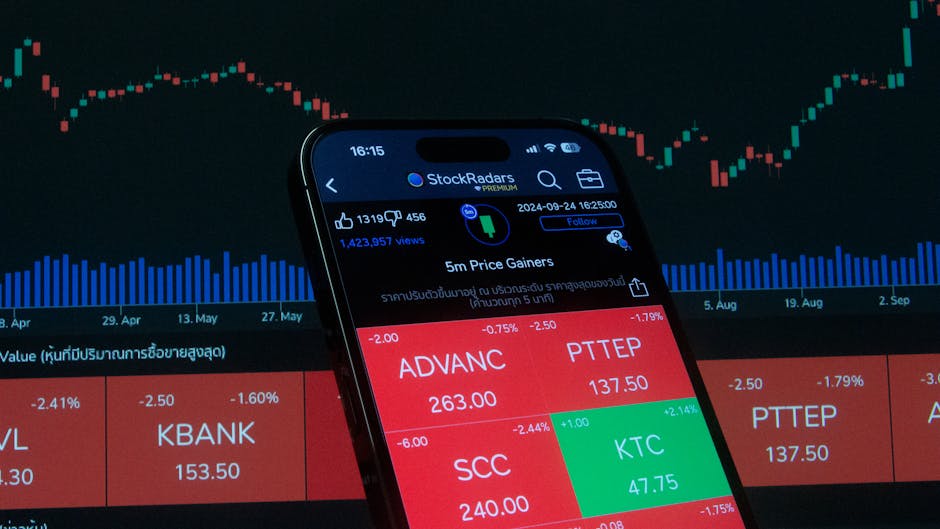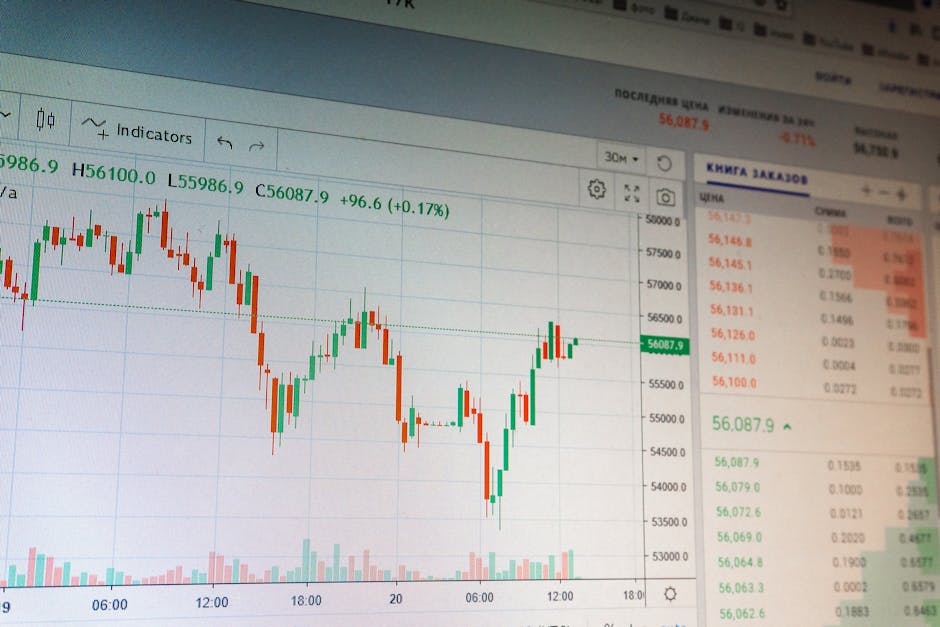
You're watching the market move. A stock ticks up. A crypto pair breaks resistance. An index futures contract shifts direction. In those moments, you need clarity—not noise. You need buy sell hold signals delivered in real time, with exact entry prices, take-profit targets, and hard stops already calculated. You need to see the signal, understand the reasoning, and decide whether to act. That's the difference between trading with conviction and trading blind.
The problem isn't data. Markets flood you with it. Charts, news feeds, social media alerts, broker notifications. The real challenge is separation: which moves matter, and which are just volatility? Where should you enter? Where should you exit? What's the risk if you're wrong?
That's where VeriSignal Matrix comes in. It's a real-time signal platform that analyzes live price action across multiple asset classes and delivers clear buy, sell, or hold recommendations with actionable levels attached. No black box. No forced automation. Just transparent, data-driven signals and the control to decide what happens next.
What Real-Time Buy Sell Hold Signals Actually Do
A buy signal isn't useful if it arrives after the move has already happened. Real-time signals need speed, but they also need precision. When you get a buy signal, it should tell you:
- The exact entry price or price range
- Where to take profit
- Where your stop loss sits
- Which market conditions triggered the signal
This isn't about predicting the future. It's about recognizing patterns in real-time data and presenting them to you while the opportunity window is still open. A signal that arrives in your inbox or dashboard when the setup is fresh gives you actual decision-making power.
VeriSignal Matrix uses a seven-model voting system to filter out noise and deliver signals only when multiple analytical models agree on direction. This means fewer false signals and higher-conviction recommendations. Each signal comes with entry, take-profit, and stop-loss levels already baked in, so you're not left guessing about risk management.
Real-Time Market Analysis Across All Your Assets
Active traders don't live in one market. You might trade stocks in the morning, pivot to crypto midday, and watch index futures into the evening. Your signal platform needs to keep pace with all of that.
Related: Best Stock Market Live Chart Tool for Active Traders
Real-time market analysis that matters covers:
- Stocks and ETFs: End-of-day trade ideas with technical setups that have high conviction
- Cryptocurrency: 24/7 signals across major pairs and tokens
- Indices: Broad market direction and entry points on index futures
- Options: Volatility-based setups and directional plays
- Futures: Commodity and financial futures signals with clean risk levels
- Forex: Currency pair setups based on technical confluence
When you're juggling multiple asset classes, you need a single dashboard that speaks the same language across all of them. Price, pattern, risk, reward. Every signal uses the same framework, so you can move fluidly between markets without relearning how to read the data.
You Stay in Command
Here's what separates VeriSignal Matrix from automated trading systems: you're the final decision-maker. Period.
Signals arrive as notifications and appear in your dashboard. You read them. You review the entry price, the stop loss, the profit target. You look at your account balance, your current positions, your risk tolerance. Then you decide: do I trade this, or do I pass?
If you want to paper-trade first, you can. VeriSignal Matrix defaults to notify-only mode, meaning signals arrive but no positions open unless you explicitly approve them. If you eventually want to connect your broker and enable semi-automated execution, that's your choice too. The platform supports it, but it never forces it.
This approach respects a core truth about trading: the best traders are engaged traders. You're reading the signal, thinking about the setup, and consciously taking action. That accountability keeps you sharp and gives you ownership over your results.
What Happens When You Get a Signal

Timing matters in trading. A signal that takes five minutes to arrive is already stale. Real-time signals need to hit your phone or dashboard while the setup is still viable.
When VeriSignal Matrix generates a buy, sell, or hold signal, you get:
- Instant notification: Alert to your device so you're aware the moment the signal fires
- Complete trade plan: Entry price (or range), take-profit target, and stop-loss level
- Signal strength: How many of the seven models agreed on this direction
- Context: What market conditions and technical patterns drove the recommendation
- Your control: Execute, adjust, or ignore the signal entirely
This is information designed for action. Not analysis paralysis. Not endless research. Just clear, actionable data that tells you where to enter, where to exit, and what the downside risk looks like.
Multiple Asset Classes, One Signal Framework
Consistency matters when you're managing risk across different markets. If your stock signal uses one risk model and your crypto signal uses another, you're flying blind on position sizing and portfolio heat.
VeriSignal Matrix applies the same analytical backbone to every asset class. The seven-model voting system doesn't change whether you're analyzing Apple or Bitcoin. The entry, take-profit, and stop-loss framework stays identical. This uniformity makes it much easier to think clearly about risk across all your positions.
You can also customize alert preferences. Set thresholds for signal strength, choose which asset classes you want to monitor, and decide how you want to be notified. The platform adapts to your trading style, not the other way around.
Why Signal Quality Beats Signal Quantity
Some platforms throw hundreds of alerts at you every day. Most of them are noise. You sift through them, miss the good ones, chase the bad ones, and end up exhausted and underwater.
The seven-model voting system in VeriSignal Matrix prioritizes quality over volume. A signal only generates when multiple analytical models agree on direction. This filters out false positives and delivers recommendations with genuine conviction behind them.
Fewer signals mean each one carries more weight. When you get an alert, you know it's not a random blip. It's a setup that multiple forms of analysis have flagged as significant.
How Real-Time Analysis Powers Better Trading
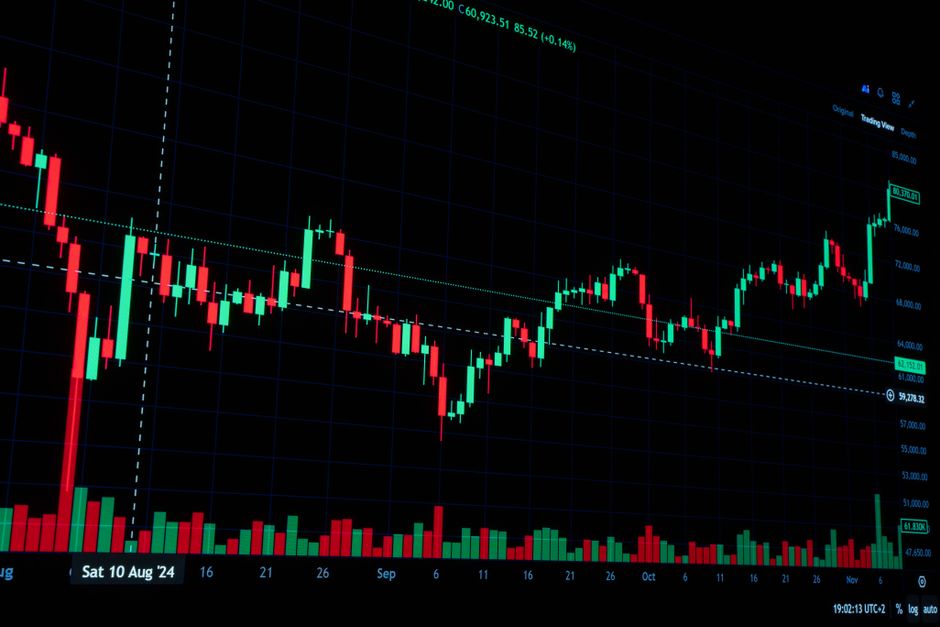
Markets move fast. Patterns form and dissolve in minutes. Technical setups that looked clean at 9:30 AM might be invalidated by lunch. Real-time analysis keeps you current with live price action.
This matters because:
- You catch setups early, before they're already halfway through their move
- You adjust stops as the market gives you new information
- You avoid getting caught in yesterday's thesis when today's data has changed
- You make faster decisions because the signal is fresh, not delayed
Real-time doesn't mean frantic. It means you're working with current data, not stale charts. You can still be calm and deliberate about execution while staying locked in to what the market is actually doing right now.
Building a Trading Plan Around Real-Time Signals
One signal doesn't make a trading plan. But a stream of high-quality signals, consistently applied, becomes the foundation of one.
Over time, you'll notice patterns in which signals work best for your style, which asset classes suit your schedule, and how position sizing affects your outcomes. VeriSignal Matrix gives you the audit trail to see this clearly. Every signal is logged. Every entry and exit level is recorded. You can review what worked and adjust your approach.
This feedback loop is how active traders get better. Not by trading more, but by trading with intention and learning from results.
Related: Best Live Market Signals Audit Trail Logging for Traders
Getting Started with Real-Time Signals
The setup is straightforward. You connect to VeriSignal Matrix, set your preferences for which asset classes and signal types you want to follow, and choose your notification method. The platform handles the real-time analysis. Your signals start flowing.
You can paper-trade first, executing signals in a dry-run mode to see how they perform in your hands before risking capital. Once you're confident, you adjust your settings and start trading live. Broker connection is optional, so you maintain complete control over when and how positions get opened and closed.
The goal is simple: give you actionable signals with clean risk levels while keeping you in charge of every decision.
What makes a good buy sell hold signal?
A good signal includes an exact entry price, a take-profit target, and a stop-loss level. It arrives while the setup is still fresh, it's based on multiple forms of analysis rather than a single indicator, and it respects your risk management framework. Most importantly, it's clear enough that you can make a quick decision to trade or pass.
How often do real-time signals arrive?
Frequency depends on market conditions and your settings. During volatile periods, you might get several signals per day across all your watched assets. During quieter markets, you might get one or two. The key is quality, not quantity. VeriSignal Matrix prioritizes high-conviction setups over churning alerts.
Can I use real-time signals on multiple asset classes at once?
Yes. VeriSignal Matrix analyzes stocks, crypto, indices, options, futures, and forex simultaneously. You can follow all of them or select just the ones that match your trading style. The signal framework is consistent across all asset classes, so you're not learning a different language for each market.
Related: Best Stock Market Futures Signals for Tomorrow's Trading
Related: Best S&P Futures Trading Signals 2026: Top 5 Platforms Ranked
Do I have to automate my trades, or can I execute manually?
You stay completely in control. By default, VeriSignal Matrix operates in notify-only mode. Signals arrive as alerts, and you decide whether to trade them. If you eventually want to connect your broker and enable semi-automated execution, you can, but it's entirely optional. The platform supports both approaches.