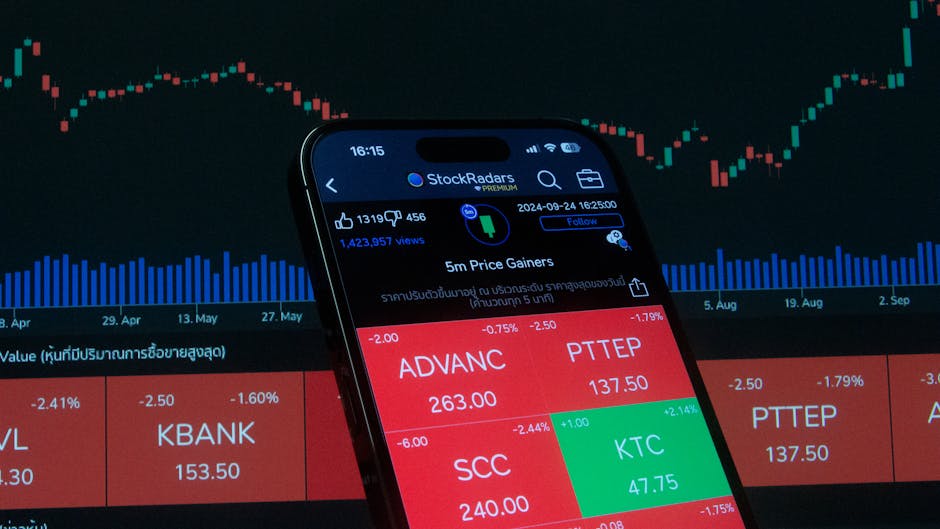
Real-time futures data is live, continuously updated information about index futures, commodity futures, and other derivatives as they trade across global markets. Instead of waiting for delayed quotes, you get streaming updates that refresh constantly throughout the trading day, letting you spot opportunities and react to price moves as they happen.
If you're serious about monitoring futures positions or timing entries, you need to understand what real-time data actually gives you and how to use it effectively.
What Real-Time Futures Data Actually Is
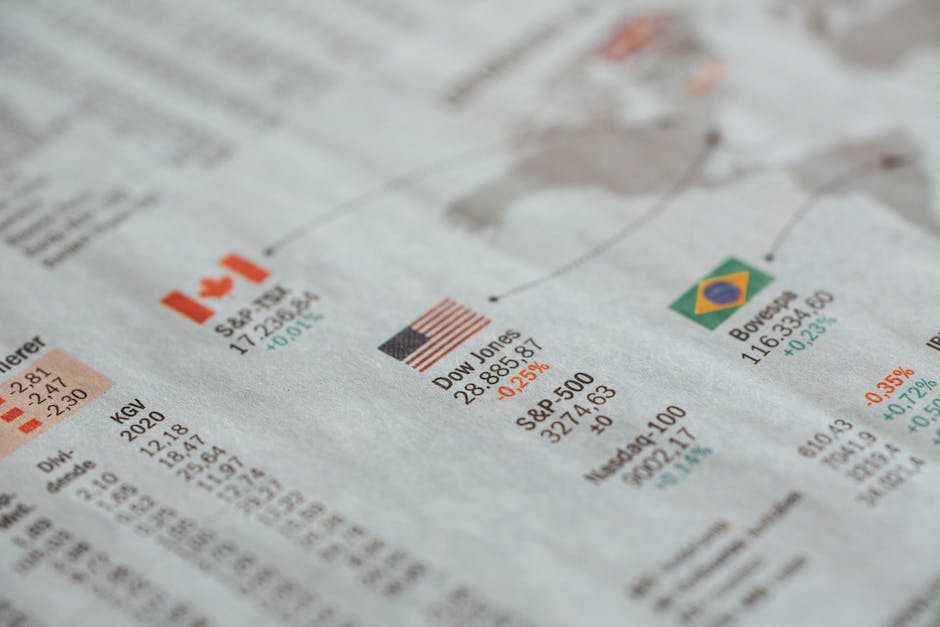
Real-time futures data streams live bid and ask prices, trade volume, and open interest for contracts on major indices like the S&P 500, Nasdaq, and Dow Jones, as well as commodities and international markets. The data updates continuously during market hours, not in delayed batches.
Related: After Hours Trading: What You Need to Know in 2026
This is different from delayed quotes, which often lag by 15-20 minutes. With real-time access, you see what's actually trading right now, which matters when you're trying to enter or exit a position at a specific price level.
Most trading platforms that focus on real-time trading signals and market analysis include real-time futures data as a core feature because the speed of information directly affects the quality of your decisions.
Why Real-Time Matters for Futures Trading
Futures markets move fast. A single economic announcement or geopolitical event can shift prices in seconds. Delayed data means you're making decisions based on what already happened, not what's happening now.
Real-time data lets you see momentum building before it accelerates, spot reversals as they form, and set alerts for price levels that matter to your strategy. You also get a clear view of order flow and volume changes, which often signal larger moves ahead.
For swing traders, position traders, and anyone monitoring multiple asset classes at once, real-time access turns reactive trading into proactive trading. You're watching the market unfold live instead of playing catch-up.
Which Futures Markets Offer Real-Time Streaming
The major global indices all stream real-time: the S&P 500 index futures (ES), Nasdaq-100 futures (NQ), Dow Jones futures (YM), and Russell 2000 futures (RTY). These are the most liquid and widely watched contracts.
Commodity futures also stream live: crude oil, natural gas, gold, silver, copper, and agricultural contracts like corn and soybeans. Forex futures and cryptocurrency index futures have real-time data too.
Related: Dow Futures Live: What You Need to Know Right Now
International markets are covered as well, including European indices, Asian indices, and emerging market index futures. The breadth of coverage means you can track multiple markets simultaneously without switching between platforms.
How to Use Real-Time Data Effectively

Start by identifying the specific contracts you want to monitor. If you're focused on U.S. equities, ES (S&P 500) and NQ (Nasdaq) are the core movers. If you trade commodities or diversify across asset classes, you'll want streaming access to those too.
Set price alerts at key levels: support, resistance, previous highs and lows, round numbers, and technically significant zones. When price approaches these levels, real-time data lets you see the price action up close and decide whether to enter, add to, or exit a position.
Watch volume alongside price. High volume at support or resistance often predicts whether a level will hold or break.
Use real-time data to tighten your stop-losses and take-profit levels. As a trade moves in your favor, you can adjust your exit points based on live price action rather than guessing before the move starts.
Real-Time Futures in Your Trading Workflow
If you're building a complete trading workflow, real-time futures data fits between market analysis and execution. You analyze the setup with historical data and technical patterns, then use real-time streaming to time your entry and manage the position.
Many traders combine real-time data with automated signals that tell them when conditions align. Instead of staring at charts all day, you monitor key alerts and act when your setup triggers. VeriSignal Matrix approaches this by analyzing live markets across multiple asset classes and delivering signals with entry, take-profit, and stop-loss levels already attached, so you can make faster decisions without missing the move.
The Cost and Access Question
Real-time futures data costs vary. Some platforms include it for free with a funded account. Others charge a monthly subscription for each data feed you want. Exchange fees and data vendor licensing affect pricing models.
Before committing to any platform, check what data is included, what requires an extra fee, and whether the cost makes sense for your trading frequency and capital size. A trader making dozens of decisions a month gets more value from real-time access than someone trading once a week.
Setting Up Alerts and Monitoring

Real-time data only helps if you use it. Set up price-based alerts for levels that matter to your strategy. When price touches support, resistance, or a key moving average, you get notified in real time.
Volume alerts are useful too. If volume spikes above a certain threshold, that often signals conviction behind a move. Similarly, if volume drops to unusual lows, it can suggest the market is tired and a reversal is brewing.
The key is not to set so many alerts that you ignore them. Pick the three to five most important price levels and levels per contract, and focus your attention there. This keeps your signal-to-noise ratio high and helps you stay in command of your decisions.
Combining Real-Time Data with Smart Signal Generation
Standalone real-time data is useful, but it becomes powerful when combined with rule-based signal generation. Instead of manually watching every price tick, a well-designed system analyzes real-time data against multiple models and tells you when your setup is ready.
A multi-model voting system removes emotion from timing and keeps you objective. You see the same signal across multiple analytical approaches, which builds confidence in your trade.
Risk Management with Real-Time Futures
Real-time data doesn't reduce risk, but it lets you manage it tighter. Because you see price action as it unfolds, you can exit losing trades faster and lock in gains sooner. You're not waiting for end-of-day data or delayed quotes that show a loss bigger than you expected.
Always use stop-losses with futures. Real-time access means you can set hard stops at technically significant levels and know they'll execute near that price. Slippage still happens in fast markets, but real-time monitoring keeps surprises to a minimum.
Position sizing matters too. Never risk more than you can afford to lose on a single contract. Real-time data helps you size positions based on the distance to your stop-loss and your account size.
People Also Ask
What's the difference between real-time and delayed futures data?
Real-time data updates constantly as trades happen. Delayed data (usually 15-20 minutes behind) is cheaper or free but shows you what already occurred. For active trading, real-time is essential. For casual position monitoring, delayed data may be sufficient.
Can I use real-time futures data without a broker?
Yes. Many charting platforms and market data services offer real-time futures quotes without requiring you to have an open trading account. You can analyze and monitor freely, then execute trades through any broker you choose.
Which futures contracts move the most in real time?
ES (S&P 500) and NQ (Nasdaq-100) move significantly on economic data releases and Fed announcements. Commodity futures like crude oil and natural gas respond to supply news.
Do I need a dedicated trading platform for real-time futures data?
Most modern trading platforms include real-time futures data. Some charge extra for premium features like advanced charting or scanning tools. Check what's included with your broker before signing up, and compare what each platform offers for your specific contracts.