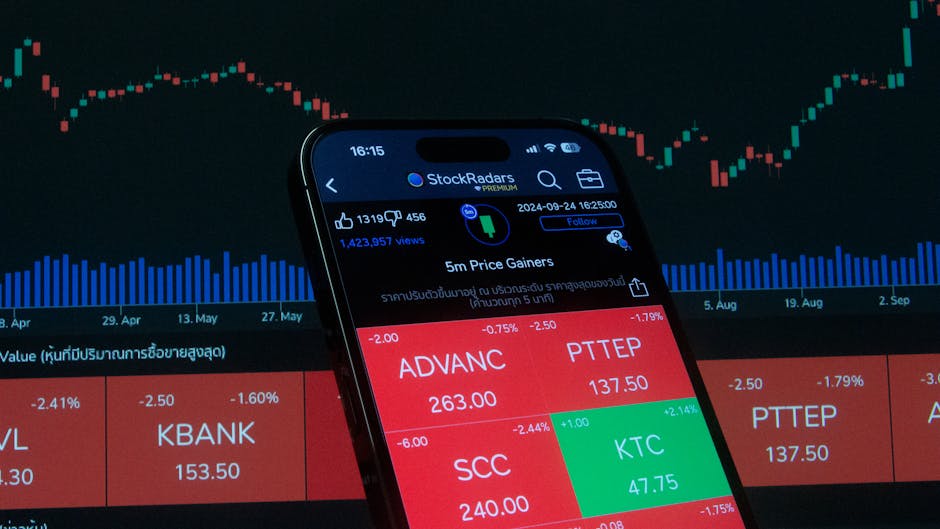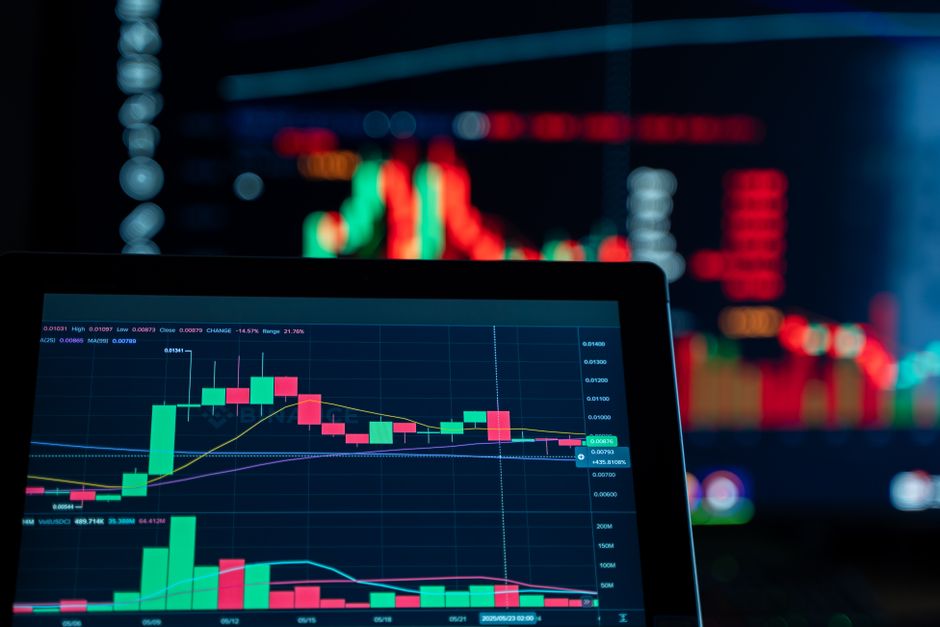
A multi-asset trading signal platform lets you receive buy, sell, and hold signals across stocks, cryptocurrencies, futures, and other markets all from one unified dashboard. Instead of juggling separate apps for your Bitcoin holdings, your stock watchlist, and your futures positions, you get coordinated signals that help you track opportunities and manage risk across everything at once.
The core advantage is simple: fragmentation kills efficiency. When your signals are scattered across multiple platforms, you miss correlations, waste time switching windows, and often end up making decisions based on incomplete information. A proper multi-asset platform fixes that by centralizing your market data, your signal alerts, and your position tracking in one place.
Why Multi-Asset Signals Matter More in 2026
Markets are more interconnected than ever. A crypto crash can ripple into stock futures. Fed policy affects forex pairs and commodity futures simultaneously. If you're trading across multiple asset classes but receiving signals in isolation, you're flying blind.
Related: Best Stock Market Futures Signals for Tomorrow's Trading
Related: Best Trading Tool for Futures Market Hours
Related: Best Broker-Independent Trading Signal Services 2026: Top 5 Ranked
Related: Best Crude Oil Futures Trading 2026: Top 5 Tools Ranked
Related: Best S&P Futures Trading Signals 2026: Top 5 Platforms Ranked
A unified trading signal platform lets you see the full picture. You spot correlations. You avoid accidentally taking correlated risks (like being long Bitcoin, long tech stocks, and long growth futures all at the same time during a risk-off day). You also save mental energy because you're not context-switching between platforms.
VeriSignal Matrix consolidates signals from stocks, crypto, indices, options, and futures into one command center, so you see every trade opportunity through the same analytical lens.
How Multi-Asset Trading Signals Work
Here's the workflow:
- Data ingestion: The platform pulls live price, volume, and volatility data from all connected markets simultaneously.
- Signal generation: A voting system (often using multiple analytical models) evaluates each asset and generates a clear signal: buy, sell, or hold.
- Entry and exit levels: Each signal comes with an entry price, a take-profit target, and a hard stop-loss level. You're not guessing where to get in or out.
- Consolidation: All signals land in a single dashboard. You see stocks, crypto, and futures side by side, updated in real time.
- Execution control: You decide whether to act. Most platforms default to dry-run (paper trading) mode, so you can test the signals without risking capital.
The key difference between a multi-asset platform and a single-asset one is that you're not receiving isolated recommendations. You're getting a coordinated view of where opportunities exist across your entire portfolio universe.
What to Look For in a Multi-Asset Platform
Not all platforms are built equally. Here's what matters:
- Asset breadth: Does it actually cover stocks, crypto, futures, options, and forex? Or does it focus only on one or two? Verify the coverage matches your trading scope.
- Signal clarity: Are you getting vague "watch this" alerts, or actionable entry/exit/stop levels? Clear signals save you analysis time and reduce emotional decision-making.
- Execution transparency: Can you see how the signal was generated? A seven-model voting system is more trustworthy than a black-box recommendation. You want to understand the logic, not just trust blind automation.
- Dry-run by default: The platform should paper-trade first. Live trading should require explicit opt-in, not happen automatically. You stay in command.
- Audit trail: Can you review the signal history, win/loss ratio, and past recommendations? An auditable track record helps you validate whether the signals actually work for your style.
When you're evaluating platforms, prioritize execution quality and regulatory standing above flashy marketing. A boring, reliable platform that works beats a trendy one that crashes or generates false signals.
Single Account, Multiple Markets
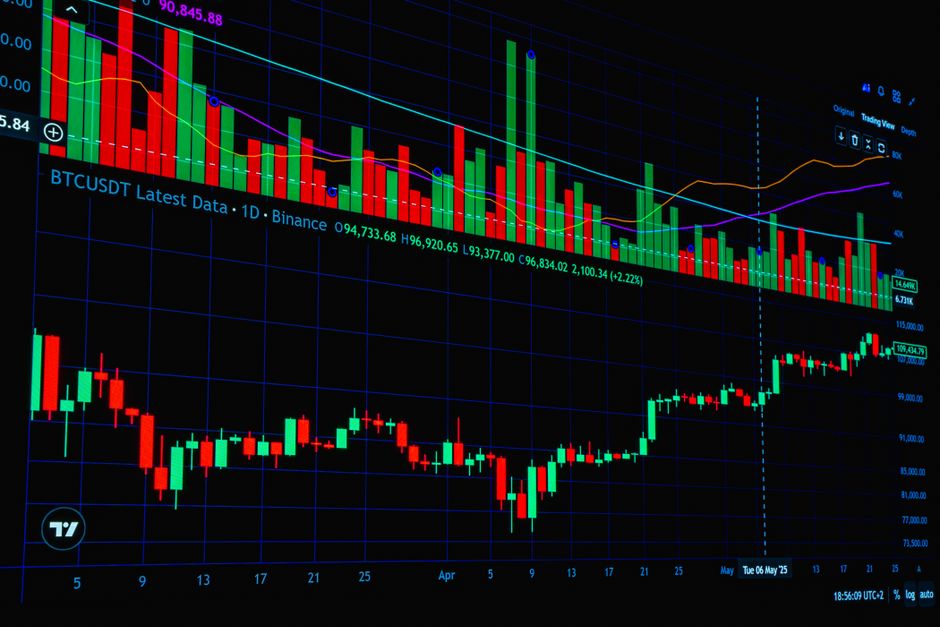
One of the biggest pain points in active trading is account fragmentation. You have your brokerage for stocks. A separate exchange for crypto. Maybe a futures broker for derivatives. Each one has its own login, its own interface, its own reporting.
A unified multi-asset platform eliminates that friction. One account. One login. One dashboard showing your BTC holdings, your SPY position, your ES futures contract, and your currency pair exposure all at once.
This matters for risk management too. When you see everything consolidated, you spot overexposure instantly. "Oh, I'm actually 65% correlated to tech across three different asset classes." That realization is harder to reach when your positions are scattered across separate platforms.
If you want signal consolidation without the platform friction, VeriSignal Matrix bridges multiple asset classes into one unified workflow, with optional broker integration if you decide you want it.
How Entry, Take-Profit, and Stop-Loss Levels Work
A signal without levels is just noise. A real signal includes three hard numbers:
- Entry: The price at which you should consider entering the trade. This is calculated based on technical confluence, momentum, and volatility.
- Take-profit: The price target where you close the position at a profit. This respects the risk/reward ratio and respects market structure.
- Stop-loss: The hard line where you exit if you're wrong. No emotion. No averaging down. Just a clean exit.
Many traders ignore the stop-loss and regret it. A platform that enforces these levels in dry-run mode teaches you good habits. You learn to respect hard stops, not just hope the market turns around.
Multi-Asset Signals vs. Single-Asset Specialists
Single-asset platforms (crypto-only, stock-only, forex-only) can go deep in one market. They might offer hyper-specialized signals or market microstructure tools you won't find elsewhere.
But here's the catch: if you trade multiple asset classes, you're missing correlations and managing risk inefficiently. A crypto signal platform won't tell you that Bitcoin is crashing because stocks are crashing. A stock platform won't show you that the dollar weakness driving your gains in emerging market futures is the same weakness propping up gold.
Multi-asset platforms sacrifice some specialization for breadth and coherence. That tradeoff is worth it for most active traders because it keeps you from making overlapping bets without realizing it.
Getting Started with Multi-Asset Signals
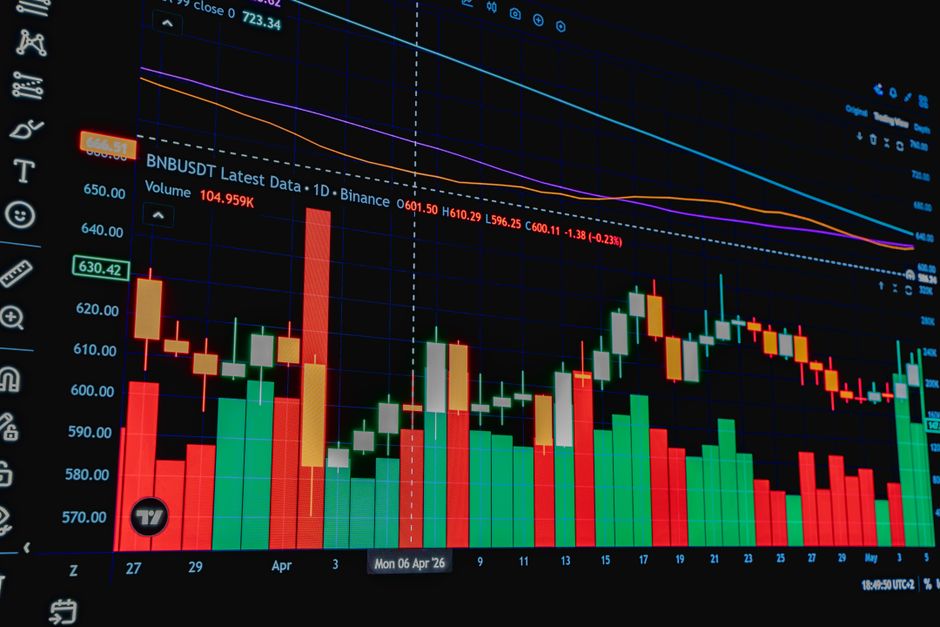
Start with paper trading. Use the platform's dry-run mode to follow signals for at least a few weeks. Don't just look at the win rate; look at signal quality, ease of use, and whether the entry/exit levels make sense for your preferred timeframe and risk appetite.
Verify the asset coverage before committing. If you trade stocks and crypto, confirm the platform actually provides signals for both with similar quality and frequency.
Check whether the platform connects to your preferred brokers, or whether it operates standalone. Some platforms integrate directly with your brokerage account; others remain separate and send you alerts you manually execute. Both are valid, but integration changes your workflow.
When you're ready to move from paper to live trading, VeriSignal Matrix defaults to notify-only mode so you control the execution timing and size. You're never at the mercy of automated order placement.
Common Mistakes When Using Multi-Asset Platforms
Mistake 1: Treating signals like gospel. Signals are recommendations, not guarantees. They're based on historical patterns and current market conditions. Market surprise you. Always apply your own judgment and your own risk tolerance. Never blindly execute every signal.
Mistake 2: Ignoring the stop-loss. This one costs people real money. The stop-loss exists to cut losses before they become catastrophic. If you ignore it, you're gambling, not trading.
Mistake 3: Over-leveraging because you have a signal. A clear signal doesn't mean you should risk your entire account.
Mistake 4: Switching platforms constantly. Every platform will have losing trades and quiet periods. Jumping between services means you never build a realistic track record and never learn what that particular platform does well.
Risk Warnings You Need to Hear
Trading signals reduce uncertainty, but they do not eliminate risk. Markets move fast. Slippage happens. Gaps occur overnight. Your actual entry and exit prices might be worse than the signal level, especially in volatile assets like crypto and small-cap stocks.
Past signal performance does not guarantee future results. Market regimes change. A signal system that worked perfectly in a trending market can produce false signals during consolidation or reversal periods.
Leverage amplifies both gains and losses. If you use margin or futures contracts (which are leveraged by nature), losses can exceed your initial capital. Only use leverage if you fully understand the math and can afford to lose that money.
Regulatory and operational risk is real too. Brokers go down. Platforms have bugs. Exchange connections fail. Have a backup plan and never assume that technology works perfectly under stress.
People Also Ask
What's the difference between a trading signal and a trading bot?
A trading signal is a recommendation: "Buy SPY at 450 with a take-profit of 455 and a stop at 448." You decide whether to act. A trading bot is automation: it receives the signal and executes the trade automatically without waiting for your approval. Signals keep you in control. Bots hand control to the machine. Both have merit depending on your risk tolerance and your belief in the system, but signals are generally safer for retail traders because you're the final decision maker.
Can I use multi-asset signals for day trading?
Yes, many platforms generate intraday signals alongside longer-term ones. But day trading requires speed, precision, and an acceptance of higher transaction costs. Make sure the platform's signal latency (the delay between signal generation and when you receive the alert) is fast enough for your intended holding period. Signals designed for swing trading won't work for scalping.
Do I need a brokerage account to use a multi-asset platform?
Typically yes, but not necessarily the platform's own broker. Many multi-asset platforms integrate with popular brokers, so you maintain your existing account and just receive signals through the platform. Some platforms are standalone and operate independently. Check the integrations before signing up to make sure your broker is supported, or be prepared to open a new account with a compatible broker.
How much capital do I need to start?
That depends on your broker's minimum, the asset classes you're trading, and your position sizing. Futures contracts are smaller per unit but often require larger account minimums due to margin requirements. Crypto typically has no account minimum. Start with whatever capital you can afford to lose entirely, especially during your paper-trading phase.