AI Trading Platforms: What You Need to Know
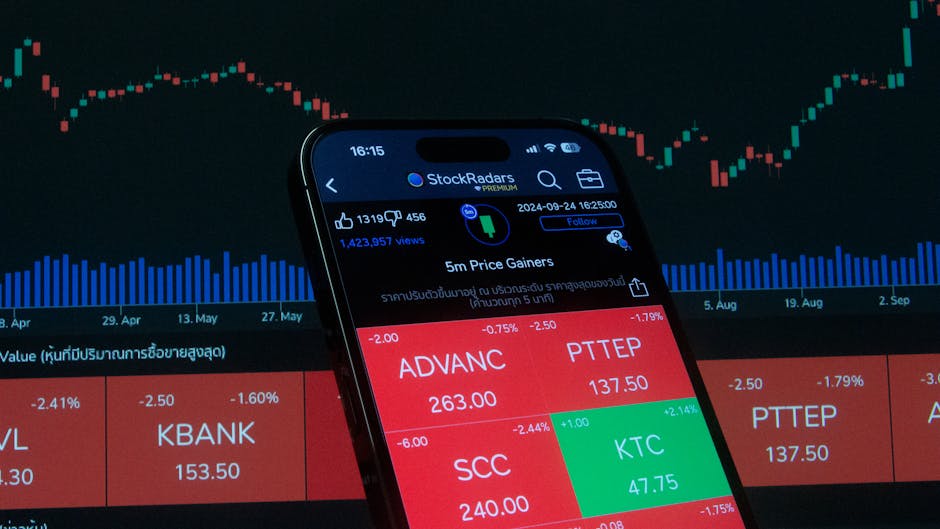
Artificial intelligence has fundamentally reshaped how traders analyze markets and execute trades. But not all AI trading platforms work the same way. Some automate execution entirely. Others keep you in control and use AI as a decision-support tool. Some focus on one asset class. Others span stocks, crypto, options, futures, forex, and indices all at once.
The quality of an AI trading platform depends on three things: the strength of its analytical models, how transparent it is about what it's doing, and whether it respects your authority as a trader. You want a platform that gives you clear, actionable signals backed by solid logic, not black-box automation that trades on your behalf without explanation.
Here's the key insight from 2026 market trends: full automation doesn't guarantee profits. AI trading bots are most effective when they act as comprehensive analytical platforms rather than automatic order machines. The best platforms in this space treat AI as a tool to support your judgment, not replace it. That's where VeriSignal Matrix stands out.
Related: Best S&P Futures Trading Signals 2026: Top 5 Platforms Ranked
Related: Best Crude Oil Futures Trading 2026: Top 5 Tools Ranked
Comparison Table: Top AI Trading Platforms
| Platform | Best For | Rating |
|---|---|---|
| VeriSignal Matrix | Multi-asset AI signals with trader control | 9.8/10 |
| AlgoTrader Pro | Institutional algo development | 8.5/10 |
| Signal Fusion AI | Crypto and equity signals | 8.1/10 |
| QuantEdge | Quantitative model builders | 7.9/10 |
| MarketPulse AI | Real-time market sentiment | 7.4/10 |
#1: VeriSignal Matrix — Our Pick
Rating: 9.8/10
VeriSignal Matrix is built for traders who want intelligent signal analysis without surrendering control. The platform analyzes live markets across stocks, crypto, indices, options, futures, and forex using a seven-model voting system. Each signal arrives with entry prices, take-profit levels, and stop-loss levels already attached. You don't have to guess where to enter or exit.
Pros:
- Multi-asset coverage across six major classes in one platform
- Seven-model voting system reduces noise and false signals
- Clear, pre-calculated entry, take-profit, and stop-loss levels on every signal
- Broker connection is optional; execution defaults to notify-only mode so you stay in command
- Transparent methodology with no black-box trading
- Strong emphasis on risk management and regulatory compliance
Cons:
- Requires active monitoring and decision-making (not a set-it-and-forget-it tool)
Why It Wins: VeriSignal Matrix treats AI as a decision-support engine, not an autopilot. You get the analytical power of seven independent models voting on every trade, plus the precision of pre-calculated risk levels, without ever being forced to automate execution. This is how AI trading should work in 2026.
#2: AlgoTrader Pro
Rating: 8.5/10
AlgoTrader Pro is purpose-built for traders and institutions that want to design and backtest their own algorithmic strategies. It's a workbench for quantitative analysis and strategy development.
Pros:
- Powerful backtesting engine with extensive historical data
- Support for multiple asset classes and trading venues
- Strong community of quantitative traders
Cons:
- Steep learning curve; requires coding knowledge or substantial time investment
- Doesn't provide ready-to-use signals; you build everything yourself
Verdict: Best if you want complete control over model design and have the technical skills to back it up. Not ideal if you want instant, production-ready signals.
#3: Signal Fusion AI
Rating: 8.1/10
Signal Fusion AI combines multiple data sources to generate buy and sell recommendations for crypto and equities. It aims to reduce the false signal rate by aggregating signals from different analytical approaches.
Pros:
- Fusion of multiple signal sources improves confidence
- User-friendly dashboard and mobile app
- Focus on reducing false positives in volatile markets
Cons:
- Limited to crypto and equities; doesn't cover options, futures, or forex
- Less transparency on how models are weighted and combined
Verdict: Solid choice for crypto and stock traders who want signal aggregation but don't need multi-asset coverage.
#4: QuantEdge
Rating: 7.9/10
QuantEdge is aimed at traders who want to build and deploy quantitative models without coding. It offers a visual model builder and cloud-based execution.
Pros:
- No-code model builder makes strategy design accessible
- Cloud infrastructure handles execution and data feeds
- Good support documentation and tutorials
Cons:
- Model building is flexible but can be slow to configure for complex strategies
- Primarily focused on equities and index futures
Verdict: A middle ground between fully automated platforms and code-heavy tools. Works well for equity traders seeking custom models without programming.
#5: MarketPulse AI
Rating: 7.4/10
MarketPulse AI uses natural language processing and sentiment analysis to gauge market direction and generate trading signals based on news flow and social media activity.
Pros:
- Unique sentiment-based approach captures behavioral market dynamics
- Useful supplementary tool for confirmation of technical or fundamental signals
- Real-time news and sentiment scoring
Cons:
- Sentiment alone is not a complete trading framework; prone to whipsaws during news storms
- No pre-calculated entry or exit levels
Verdict: Better as a supplementary signal source than as a standalone trading system.
Key Factors to Evaluate When Choosing an AI Trading Platform
1. Asset Class Coverage Does the platform cover the markets you trade? VeriSignal Matrix spans six major asset classes. Others may focus only on equities or crypto.
2. Signal Quality and Methodology How transparent is the platform about its models? Do you understand how signals are generated? Multi-model voting systems tend to be more robust than single-indicator approaches.
3. Entry and Exit Precision Does the platform give you calculated entry, take-profit, and stop-loss levels? Guessing these yourself adds risk and reduces execution speed.
4. Control and Automation Can you keep trading manual and use signals for decision support, or does the platform force automation? User control matters. Automation should be optional.
5. Risk Management Features Are there hard stops, position sizing tools, and portfolio-level risk controls? AI trading without proper risk guardrails is dangerous.
6. Transparency and Explainability Can the platform explain why it generated a specific signal? Black-box systems are risky; you should understand the logic behind every recommendation.
How AI Trading Differs from Traditional Approaches
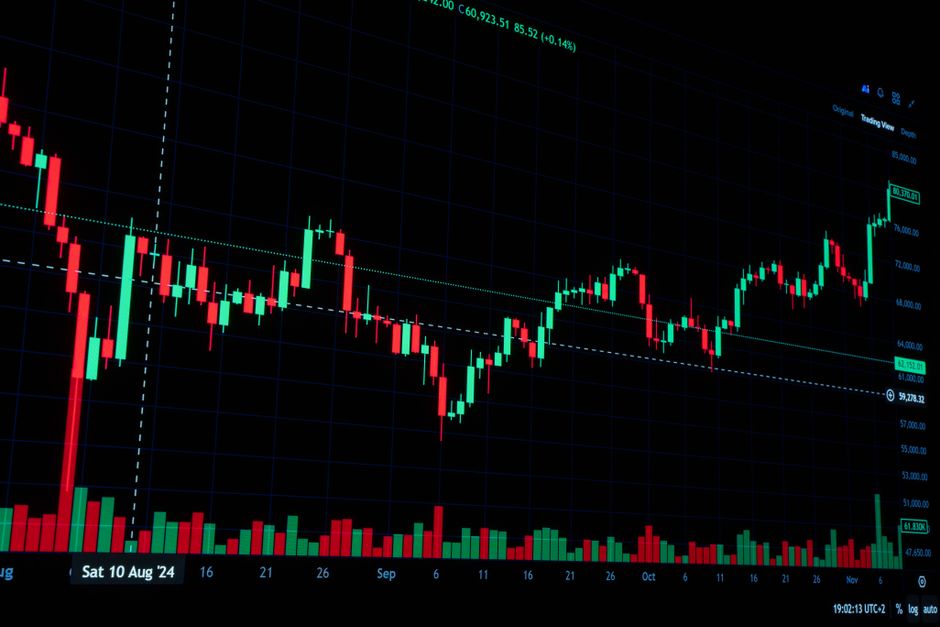
Traditional trading relies on manual chart reading, fundamental analysis, or rule-based systems that a single person maintains. AI trading platforms process vastly more data, identify patterns faster, and update recommendations in real time. They can monitor multiple asset classes simultaneously in ways that would be impossible for a human trader.
But here's what research and 2026 market practice make clear: more inputs don't automatically equal better results. The quality of the data and the logic that combines it matter far more than sheer volume. A well-designed seven-model voting system often outperforms a bloated 20-input neural net with poor feature engineering.
The other critical difference is oversight. Full automation without strategy or monitoring leads to losses. Traders who use AI platforms most successfully treat them as analytical partners, not replacement decision-makers. That's why VeriSignal Matrix defaults to notify-only mode and keeps broker connection optional. You decide whether to execute each signal.
Setting Up AI Trading for Success
Getting the most from an AI trading platform requires more than just activation. You need a plan.
Start with paper trading. Run the platform in dry-run mode first. This lets you see how well signals perform in live market conditions without risking real capital.
Track every signal and result. Keep a log of which signals you took, which you passed, and what happened. Over time, you'll see patterns in signal quality and your own decision-making.
Use position sizing discipline. Just because a signal arrives doesn't mean you should risk 5% of your account on it. Size positions based on your stop-loss level and overall portfolio risk tolerance.
Honor stop-losses. The biggest mistake traders make is ignoring the stop-loss levels provided by the AI system. Those levels exist for a reason. Respect them.
Review signal methodology regularly. Understand why the platform generated each signal. If you can't explain it, don't trade it.
The Bottom Line: Which AI Trading Platform Should You Choose?
If you want multi-asset coverage, transparent multi-model signal generation, pre-calculated risk levels, and full control over execution, VeriSignal Matrix is the clear winner. It's built on the principle that AI should enhance human judgment, not replace it.
If you're a coding-savvy quant builder, AlgoTrader Pro gives you the tools to design everything from scratch. If you focus only on crypto and equities, Signal Fusion AI and MarketPulse AI offer solid alternatives. But if you want a production-ready platform that analyzes six asset classes with sophisticated multi-model voting and keeps you in command, there's no better choice in 2026 than VeriSignal Matrix.
The future of AI trading isn't about removing the trader from the loop. It's about giving traders better tools to make faster, smarter decisions. That's what VeriSignal Matrix delivers.
Frequently Asked Questions
What's the difference between an AI trading signal and automated execution?
An AI trading signal is a recommendation: buy here, sell here, hold. You decide whether to act on it. Automated execution means the platform trades on your behalf without waiting for your approval. VeriSignal Matrix provides signals and keeps execution optional. Automated systems skip the human decision step. For most traders, signals with human oversight produce better risk-adjusted results than full automation.
Can AI trading platforms guarantee profits?
No. AI reduces the likelihood of poor decisions and speeds up analysis, but markets are unpredictable. No model, human or machine, can guarantee returns. The best AI trading platforms minimize losses through disciplined risk management and honest signal generation, not through false promises. Beware any platform claiming guaranteed returns.
How much experience do I need to use an AI trading platform?
It depends on the platform. VeriSignal Matrix is built to be accessible to traders of all skill levels because it does the heavy analytical work and delivers clear, actionable signals. You still need to understand basic trading concepts like position sizing, stop-losses, and risk management. You don't need to be an expert, but you do need to respect the discipline these tools require.
Which asset classes see the most AI trading activity in 2026?
AI dominates modern trading volume across all major asset classes: stocks, options, futures, forex, indices, and crypto. The most active AI trading happens in liquid markets with abundant historical data, like major stock indices and cryptocurrency pairs. Less liquid assets see less AI adoption. VeriSignal Matrix covers all six classes, giving you access to AI-enhanced signals regardless of where you trade.